
Saudi Arabia, Turkey and Pakistan Call Emergency Military Meeting
Saudi Arabia, Turkey and Pakistan call emergency military meeting over Houthi attacks
The Chiefs of Staff will discuss concrete measures to support Riyadh under the joint defense treaty
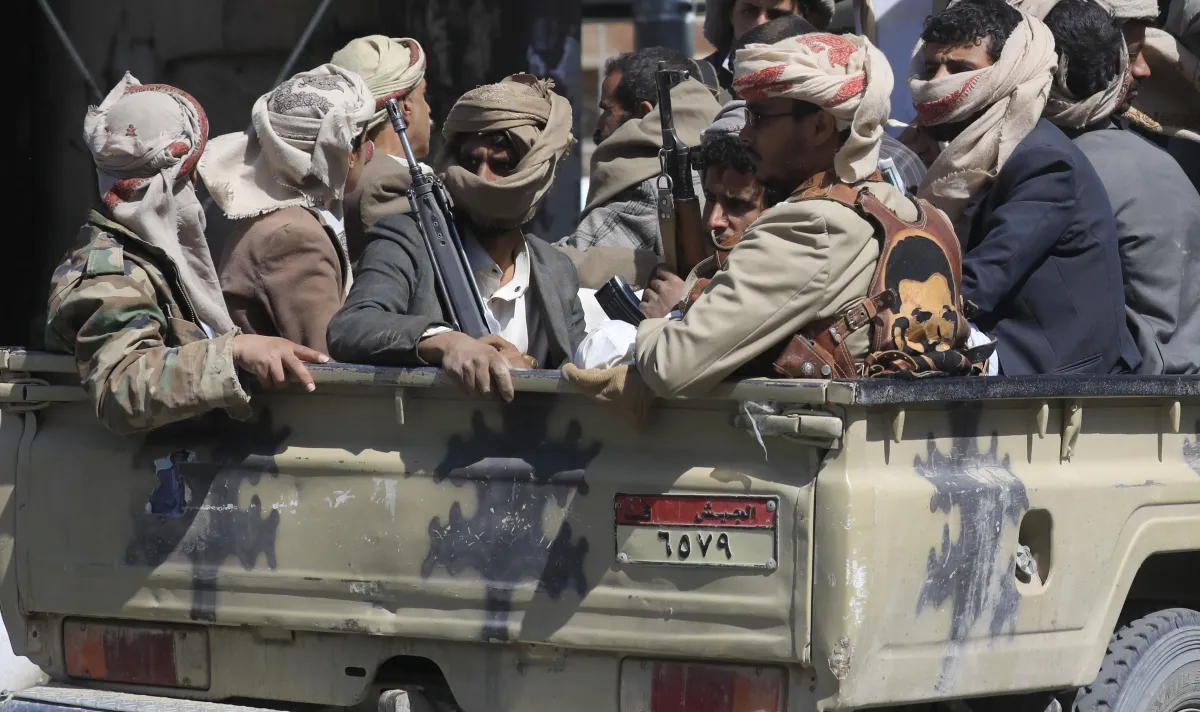
Saudi Arabia, Turkey and Pakistan will hold an emergency meeting of their chiefs of staff, at which possibilities for military support of Riyadh will be discussed in light of the intensifying attacks by the Yemeni Houthis.
The meeting will be held under the trilateral Joint Defense Treaty of Mecca, according to which an attack on one of the parties is seen as an attack on all participants.
The decision comes after a new series of missile and drone attacks on Saudi Arabia. The Houthis said on Thursday they had fired dozens of missiles and drones at targets in the kingdom. Saudi authorities said air defenses had intercepted six ballistic missiles.
Warnings of possible air strikes have been issued in several areas, including Mecca, Jeddah and Yanbu, the key Saudi oil terminal on the Red Sea.
The foreign ministers of the three countries have already held a meeting under the treaty. They condemned the attacks on Mecca and other civilian sites and affirmed Saudi Arabia's right to self-defense. The ministers also discussed preparations for the meeting of military leaders, but so far no specific measures have been announced.
The treaty was signed on August 7 by Saudi Arabia, Turkey and Pakistan. On August 31, the first meeting of the Joint Strategic Political and Defence Committee was held in Istanbul, with the three countries agreeing to establish a permanent secretariat in Saudi Arabia.
Ankara has already declared its readiness to provide Riyadh with assistance in covering certain military and technical needs. Turkish Foreign Minister Hakan Fidan described the attacks as a serious threat to Saudi Arabia's territorial integrity and sovereignty.
Amid the escalation, the Grand Mufti of Saudi Arabia called on servicemen to be ready to give their lives in the fight against the Houthis.
Meanwhile, Iranian President Massoud Pezeshkian told Fox News that the Houthis bear responsibility for their own actions. Iran is the movement's main external ally, but the degree of Tehran's operational control over it remains a subject of controversy.
The escalation is unfolding amid diplomatic efforts to end the wider conflict between the United States and Iran. Qatar is mediating between the two countries, and Iranian Foreign Minister Abbas Araghchi said that a proposal to end the fighting has been submitted through intermediaries.
Continued attacks and restrictions on shipping through the Strait of Hormuz are increasing the risks to global energy supplies. Before the conflict, about a fifth of the world's oil exports passed through the strait, and Bab el-Mandeb and the Red Sea were a key trade route between Asia and Europe.