
Some of the Most Powerful Planes to Ever Take to the Skies
Some of the Most Powerful Planes to Ever Take to the Skies
The plane is one of the most recognizable machines created by humans. Almost everyone imagines a classic design: a long fuselage, two wings, a tail, and one or more engines. This is what most modern passenger, transport, and combat aircraft look like.
However, aviation has not always followed this conventional path. For over a century, engineers have constantly experimented, striving to make planes faster, more economical, more sustainable, or more maneuverable. Sometimes, these experiments led to the creation of machines so unusual that they seemed like alien spacecraft from science fiction films.
Some projects were far ahead of their time, others turned out to be engineering dead-ends, and some provided aviation technologies still in use today. But all these aircraft share one thing: they cannot be confused with any other. In this article, we will explore the strangest and most unusual planes that have ever taken to the skies, based on the material you provided.
Stipa-Caproni – Aircraft with a Fuselage in the Shape of a Huge Barrel - Italy.
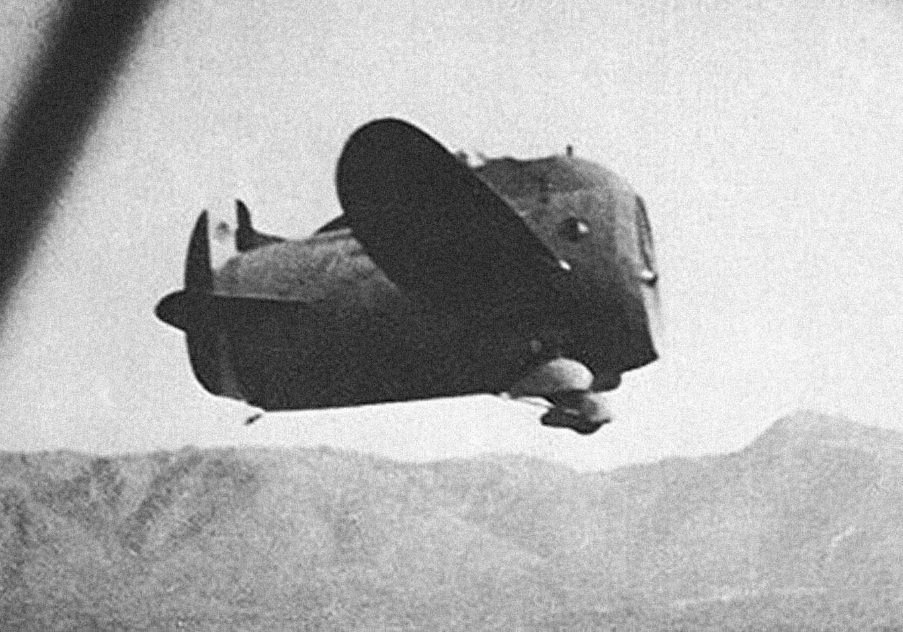
One of the most unusual aircraft in history is the Italian Stipa-Caproni, built in 1932. At first glance, it’s difficult to recognize it as a plane. Instead of the usual long fuselage, engineers designed a huge hollow tube, inside which housed an engine and a propeller.
The project’s creator, engineer Luigi Stipa, proposed that a tubular fuselage could function as an aerodynamic duct. Air passing through the narrowing inner section of the tube would accelerate, increasing propeller efficiency and generating additional thrust.
In practice, the aircraft successfully took to the skies and demonstrated good stability. Pilots noted that it was calm and predictable in flight.
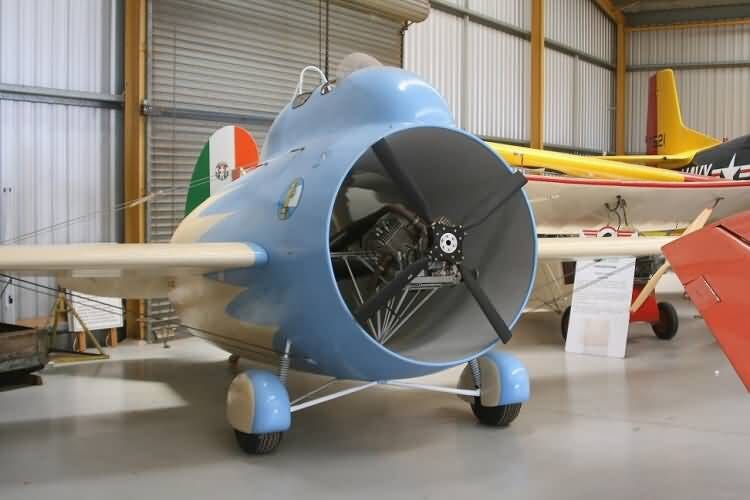
However, the advantages of this unusual design were far less than expected. The large cylindrical fuselage created high aerodynamic drag, limiting its maximum speed to just 131 km/h. Additionally, the design was too heavy and difficult to develop further.
Despite this, the Stipa-Caproni became an important experiment. Many modern experts believe that Luigi Stipa’s ideas later influenced the development of jet engines with annular channels and certain types of fan units. Only one unit was built, but it secured its place in aviation history as one of the most unusual flying machines.
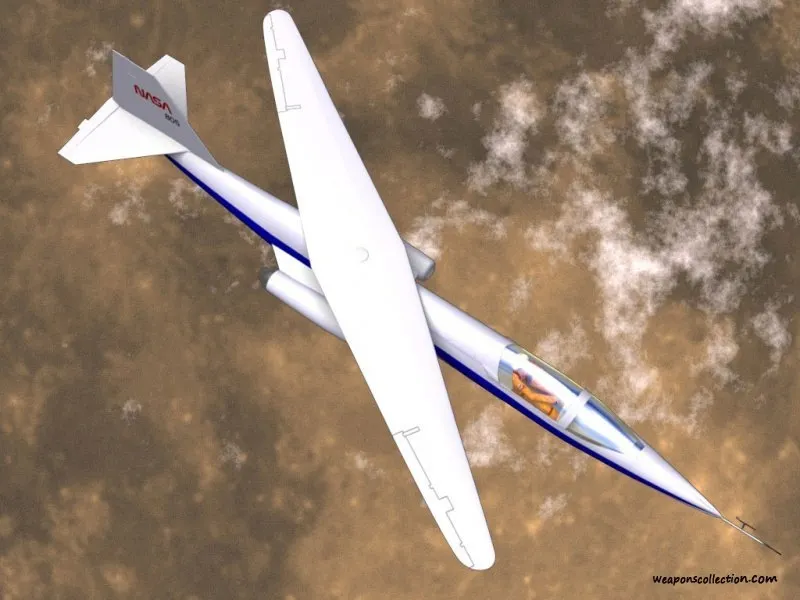
Rutan Model 35 AD-1 – The Only Aircraft with an “Oblique Wing” - United States.
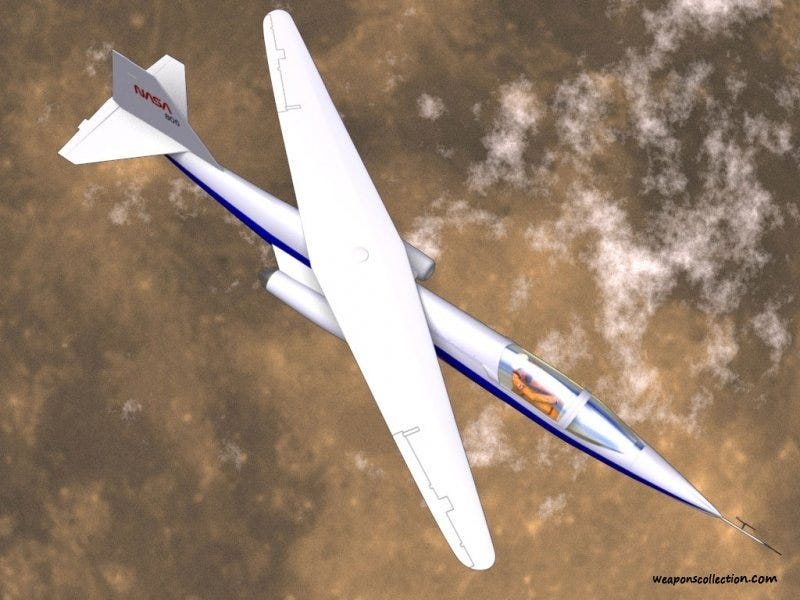
When engineers had already tried almost every possible wing shape, American experts proposed an idea that seemed completely insane: abandoning symmetrical wings. This led to the experimental Ames AD-1, the world’s first and only aircraft with an “oblique wing.” During flight, the entire wing could pivot relative to the fuselage, forming a diagonal: one wing panel extended forward, while the other extended backward.
At first glance, it seems impossible for such a design to fly. However, calculations proved otherwise.
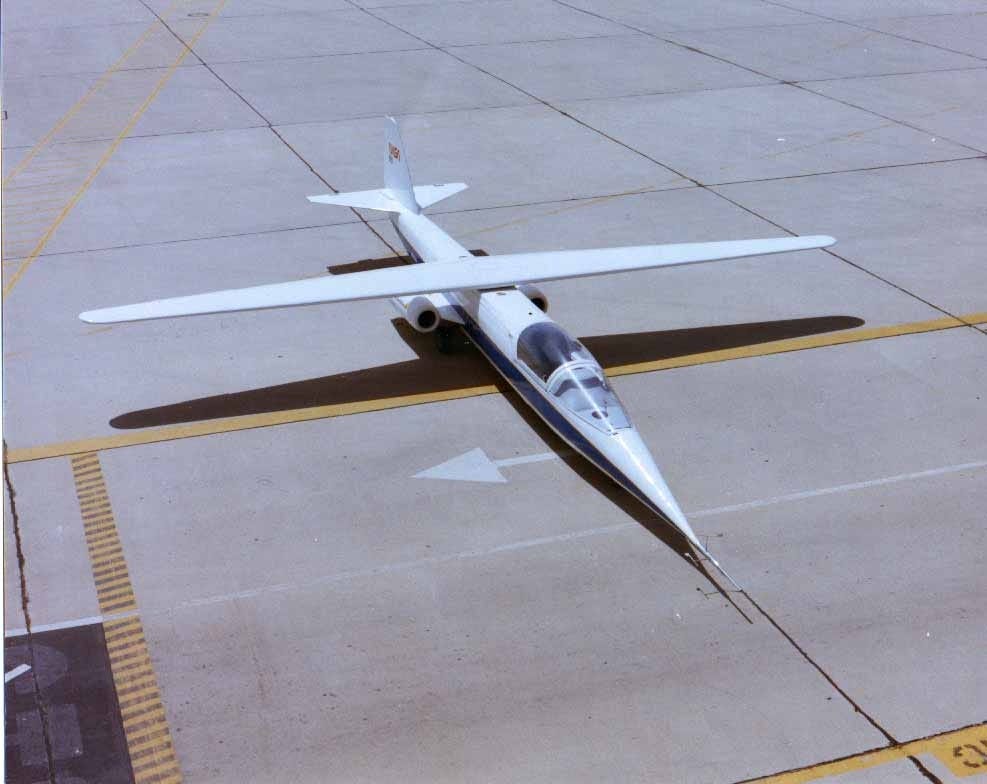
Engineers expected to significantly reduce aerodynamic drag at high speeds and improve fuel efficiency. They believed this design could be promising for future supersonic transport aircraft.
Tests began in the late 1970s. Initially, the wing was rotated only slightly, but testers gradually increased the angle to nearly 60 degrees.
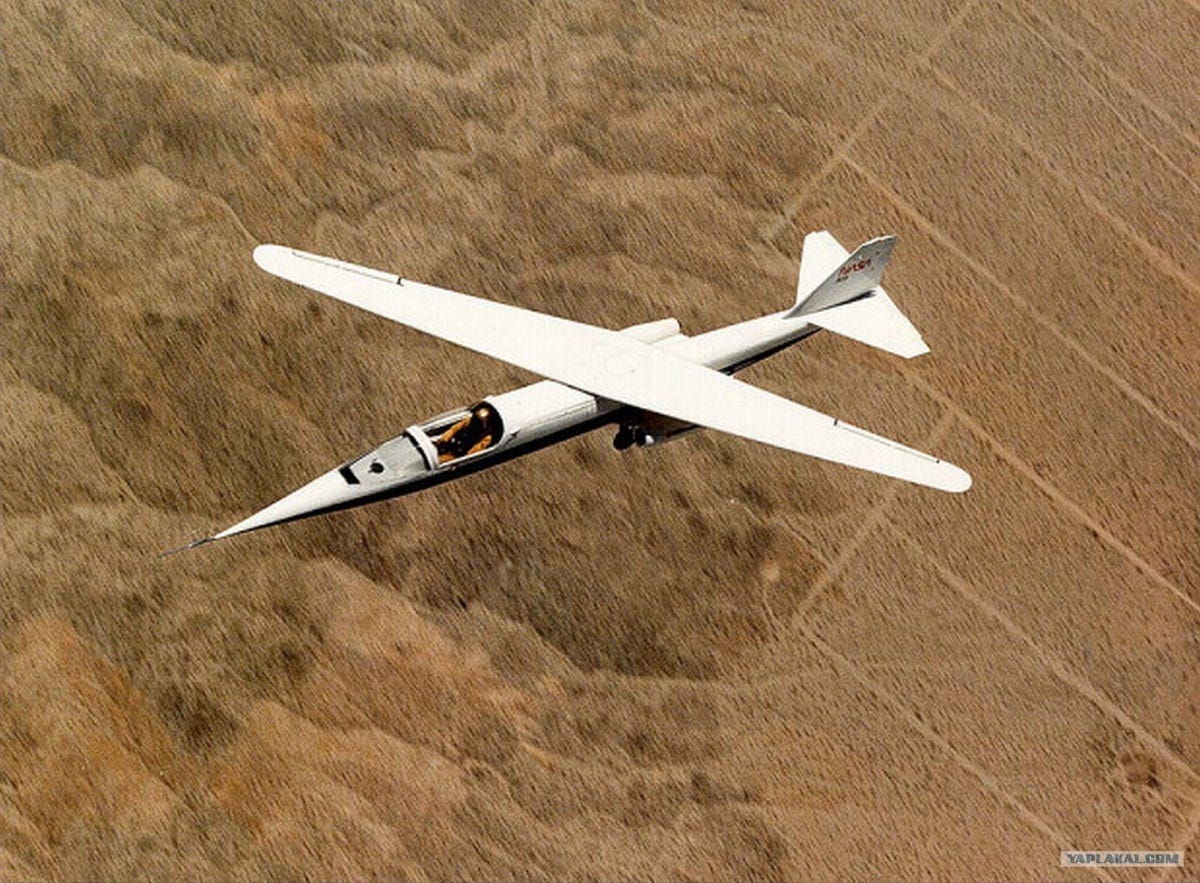
The plane did fly, but serious issues arose alongside the benefits. At large pivot angles, structural rigidity sharply decreased, vibrations increased, controllability worsened, and piloting became much more difficult.
After a series of tests, experts concluded that existing materials and technologies were insufficient to implement this design on large aircraft. The project was closed, but the Ames AD-1 remains one of the most unusual experiments in aviation history.
Vought V-173 – The “Flying Pancake” That Defied Aviation Norms - United States.
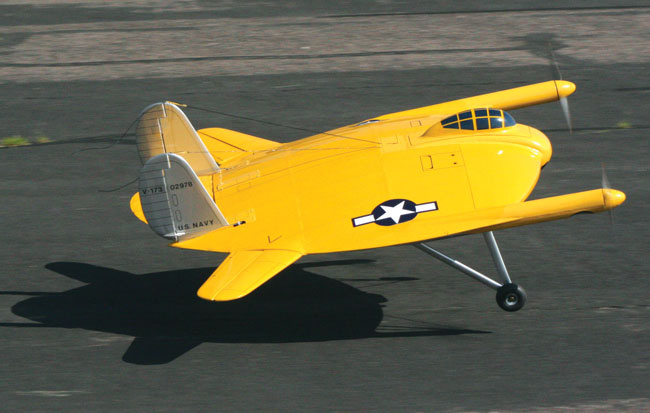
Among all the unusual aircraft that ever flew, the American Vought V-173 holds a special place. The first time someone saw this aircraft, they likely asked, “Can this really fly?” Instead of a long fuselage and conventional wings, the aircraft resembled a nearly perfect circle with two huge propellers at the edges.
The idea came from talented American engineer Charles Zimmerman, who proposed that a large, round lifting surface would create an aircraft with exceptionally high lift. At the same time, the aircraft could maintain stability even at very low speeds, where most conventional aircraft begin to lose control.
Vought built the experimental V-173, which first took flight in 1942.
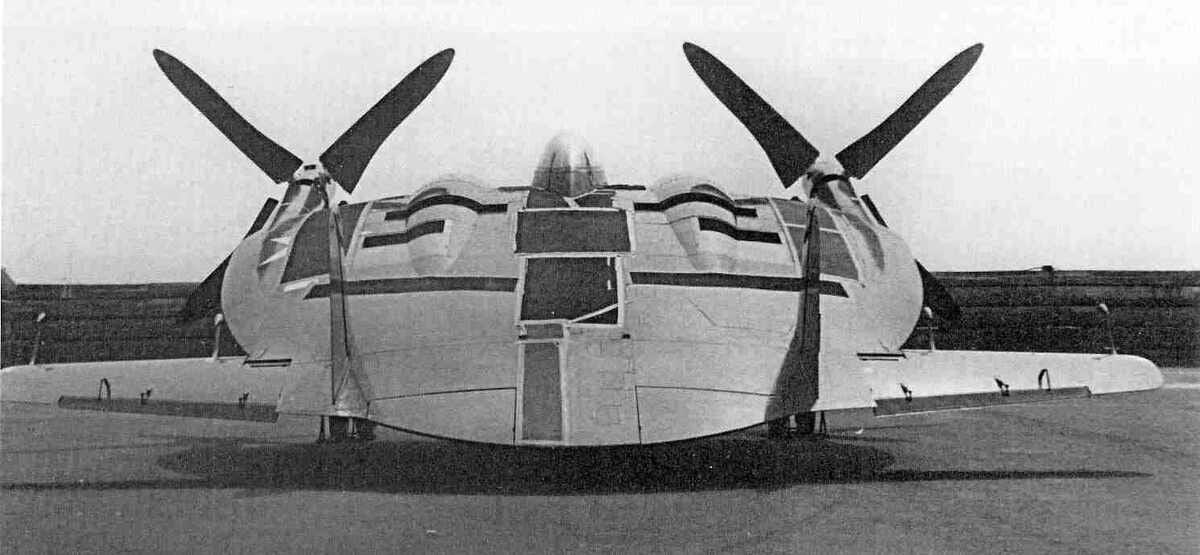
Tests exceeded the developers’ expectations. Despite its extremely unusual shape, the aircraft was surprisingly responsive. It could take off after a very short run, fly slowly just above the ground, and reach speeds unattainable for most aircraft of its time.
Particularly impressive was its ability to maintain controllability at very high angles of attack. In situations where a conventional aircraft would stall, the V-173 remained stable in the air.
The unusual wing shape was complemented by two large propellers located almost at the edges of the circular lifting surface. These created a powerful airflow, further increasing lift and improving control efficiency.
Test pilots noted that the aircraft had surprisingly gentle handling and forgave many piloting errors.
The military closely monitored the project, hoping to obtain an aircraft capable of taking off from small ship decks without catapults. Based on the V-173, they even began developing a more powerful fighter, the XF5U Flying Flapjack.
However, by the end of World War II, jet aircraft began rapidly replacing piston-engine aircraft. Despite excellent test results, interest in this unusual design gradually faded, and the program was canceled.
Today, the V-173 is considered one of the most original experimental aircraft of the 20th century. It proved that even the most unconventional aerodynamic designs could work and provided engineers with valuable insights into low-speed aircraft behavior.
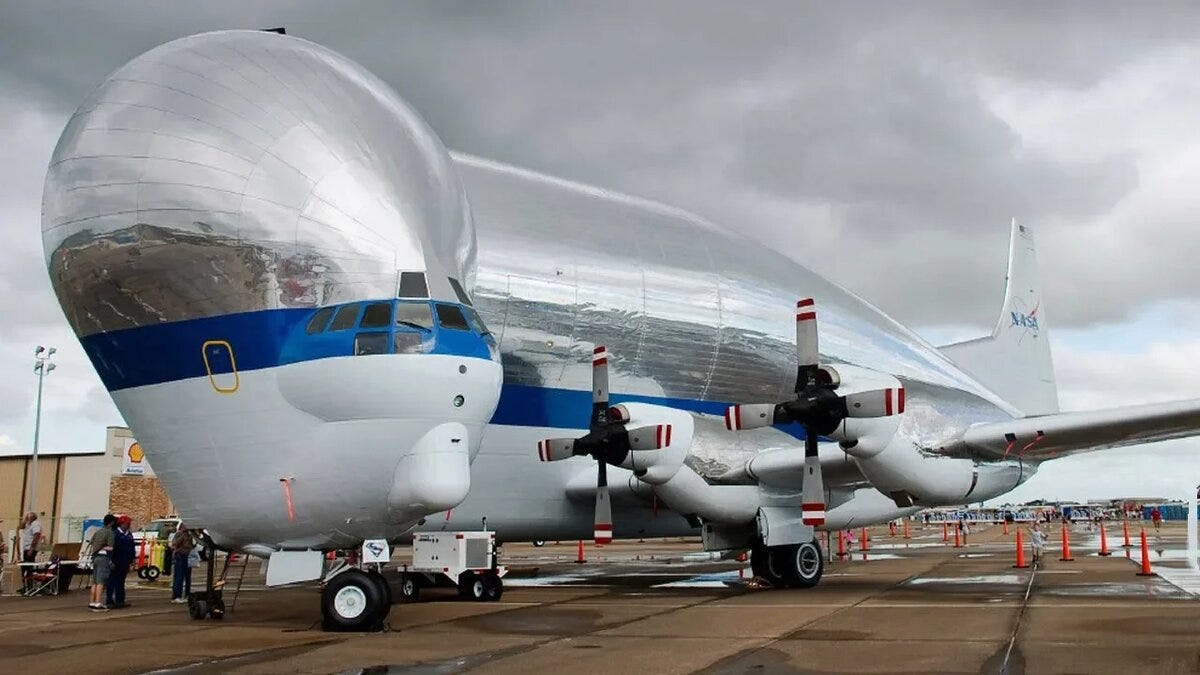
Aero Spacelines Super Guppy – A Plane That Looks Like It Swallowed Another Plane - United States.
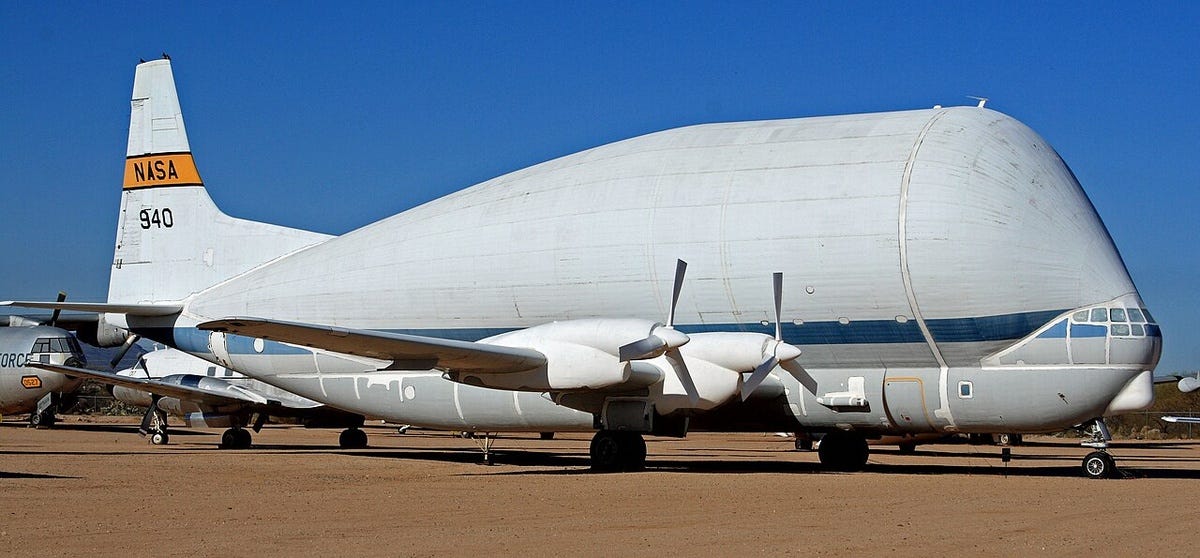
If you don’t know the history behind the Super Guppy, you might mistake it for a giant cartoon airship with wings.
Its unusual appearance stems from a very practical need.
At the dawn of the space race, NASA faced an unexpected problem: massive rocket stages couldn’t be transported by road, and sea delivery took too long. Engineers decided to radically redesign the Boeing 377 Stratocruiser passenger aircraft.
The fuselage was significantly widened, giving it a characteristic “bloated” shape, and the structure was reinforced so the aircraft could carry large rocket components.
The resulting aircraft looked so unusual that it was nicknamed Guppy, after the small, round-bodied fish. The front of the aircraft could open fully to the side, allowing huge cargo to be loaded directly into the fuselage.
Despite its strange shape, the Super Guppy successfully transported Saturn rocket stages, spacecraft components, and other equipment for the Apollo program.
Later, the Super Guppy continued serving in the European space program, delivering parts for Ariane rockets and large aircraft structures. Even today, these unusual aircraft perform special transport tasks, remaining some of the most recognizable cargo planes in the world.
Grumman X-29 – Aircraft with a Wing That Contradicted All Familiar Ideas - United States.
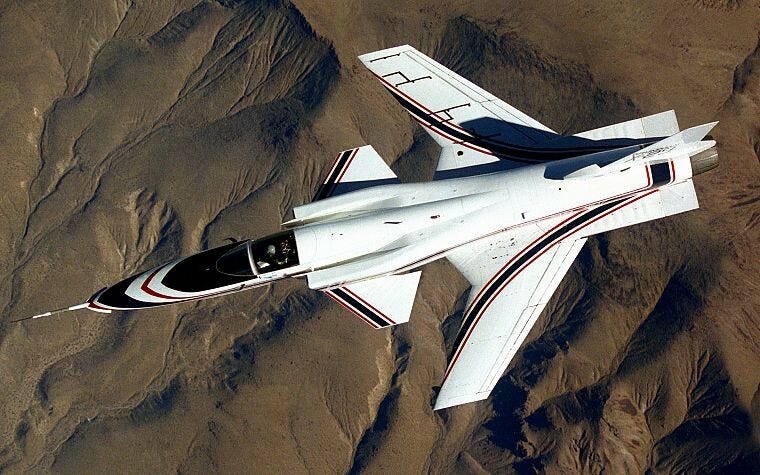
When Grumman introduced the experimental X-29 in the mid-1980s, many experts were stunned by its appearance. The most unusual feature was its forward-swept wings—while most aircraft have wings that sweep backward, the X-29’s wings extended forward.
At first glance, this design seems counterintuitive, but engineers expected several key advantages:
Increased Maneuverability: The airflow remained more effective at high angles of attack, allowing the aircraft to perform sharper turns.
Improved Low-Speed Control: The likelihood of stalling during complex maneuvers decreased.
However, these advantages came at a cost.
The main issue with forward-swept wings was their tendency toward aerodynamic divergence. Under airflow, the wings would twist further, potentially leading to structural failure.
To address this, engineers extensively used carbon fiber composite materials for the first time. These were much lighter than metal while maintaining high rigidity.
But even this wasn’t enough. The aircraft was equipped with a digital fly-by-wire control system, which analyzed flight parameters multiple times per second and automatically adjusted control surfaces. Without this system, the X-29 would have been nearly uncontrollable.
During tests, the aircraft demonstrated outstanding performance. It confidently executed complex aerobatics, maintained control at extreme angles of attack, and confirmed many of the engineers’ calculations.
Although the X-29 was never intended for serial production, its tests played a crucial role in aviation development. The data obtained were used in developing new control systems, composite structures, and advanced combat aircraft.
Today, the X-29 is considered one of the boldest experimental aircraft of its time, proving that even the most unconventional ideas can be viable.
SU-47 Berkut – Russian Experimental Fighter That Looked Like a Plane of the Future - Russia.
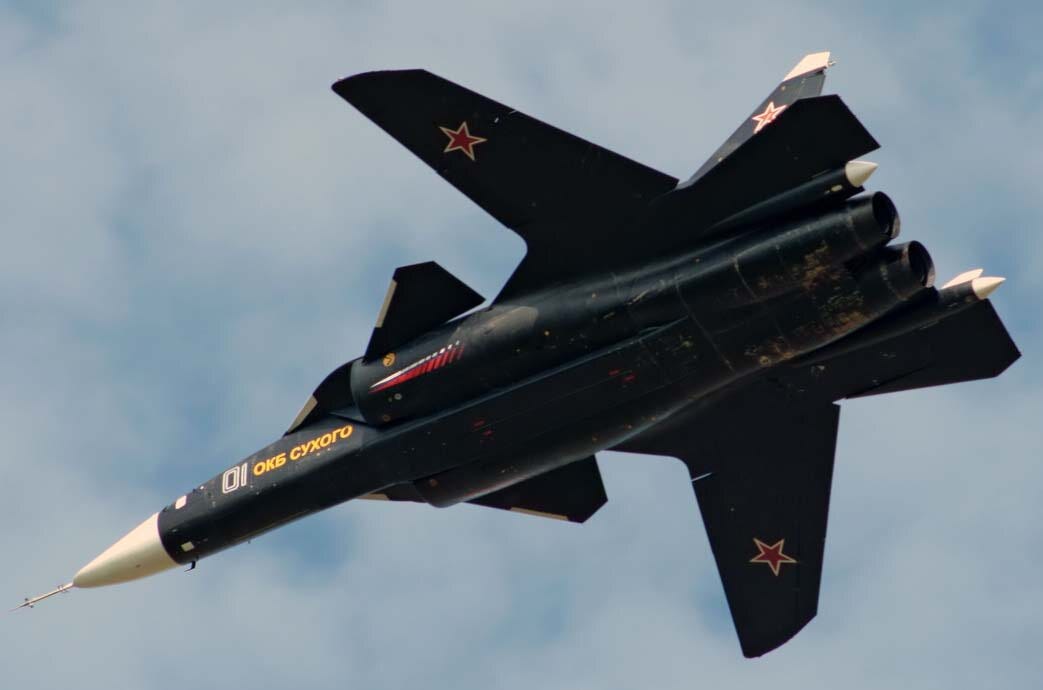
When photos of the Su-47 Berkut first appeared in the late 1990s, they quickly spread worldwide. Many believed they were looking at a secret next-generation fighter, far ahead of its time.
The aircraft’s most striking feature was its forward-swept wings, but compared to the American X-29, Russian engineers took the concept much further. The Berkut was not a small experimental aircraft but a full-fledged heavy combat machine. During its development, specialists at the Sukhoi Design Bureau aimed to test cutting-edge technologies for future Russian fighters.
The unusually shaped wings provided excellent maneuverability. The aircraft could perform complex aerobatic maneuvers, maintain stability at high angles of attack, and rapidly change direction—critical in close air combat.
However, such an unconventional aerodynamic design required entirely new materials. A significant portion of the structure was made from advanced composites with high strength and low weight. Additionally, the aircraft featured a complex digital control system that constantly monitored stability and assisted the pilot during complex maneuvers.
The Su-47’s maximum speed exceeded 2,200 km/h, and its powerful engines delivered impressive acceleration.
Despite its impressive performance, the Berkut was never intended for mass production. Its primary role was to test new technologies.
Many solutions first tested on the Su-47 later found applications in the development of Russia’s fifth-generation fighter, the Su-57. This is why the significance of this unusual aircraft extends far beyond a single experimental project.
Today, the Berkut remains one of the most recognizable Russian aircraft and is rightfully considered a legend of domestic aviation.
Lun Ekranoplan – A Giant That Flew Over the Sea Surface - Soviet Union (Russia).
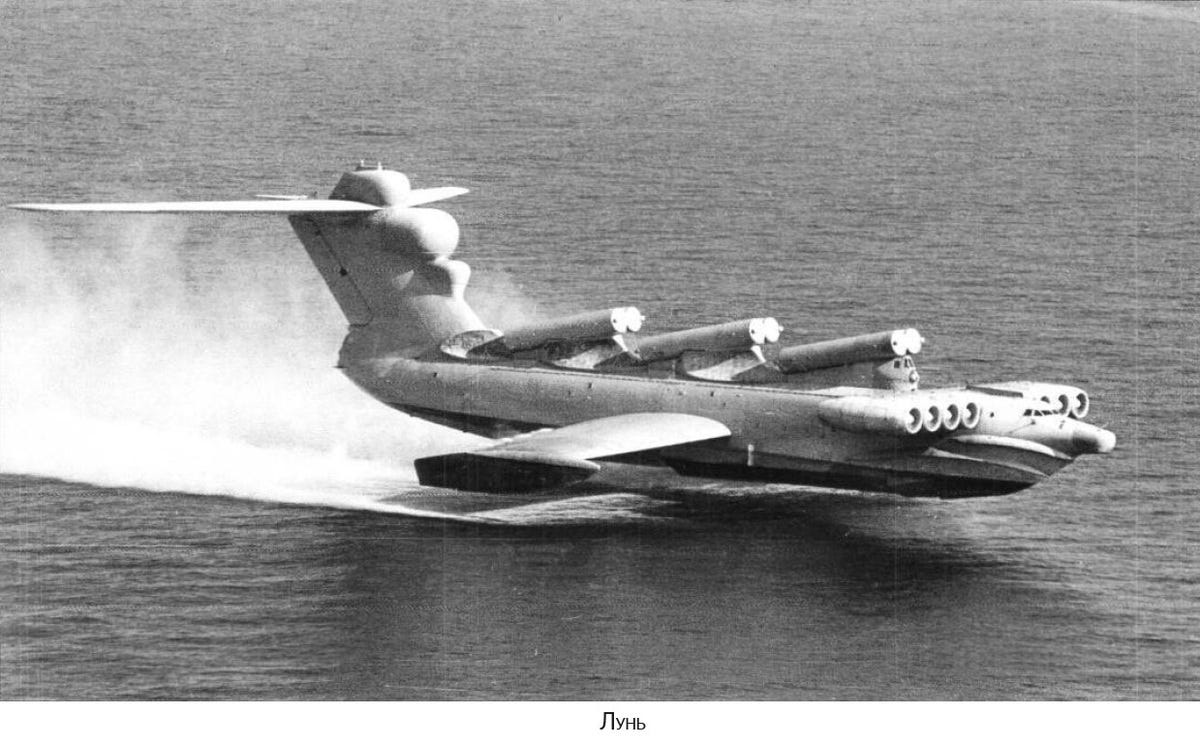
The Lun Ekranoplan is so unusual that experts still debate whether to classify it as an airplane, a ship, or an entirely separate mode of transport.
Externally, it resembles a massive aircraft with short wings, but its principle of movement is entirely different.
The Lun utilized the ground effect—a special aerodynamic phenomenon that occurs when flying just a few meters above the water’s surface. An air cushion forms between the wing and the water, significantly increasing lift and allowing the aircraft to carry enormous weight with relatively low energy consumption.
Thanks to this, the ekranoplan, with a length of nearly 74 meters and a weight of about 400 tons, could reach speeds of up to 500 km/h—an incredible achievement for such a large machine.
Eight powerful turbojet engines installed at the front of the fuselage powered the aircraft. During acceleration, they created a strong airflow under the wings, helping the aircraft achieve ground-effect flight.
From the outside, it looked truly spectacular: a massive machine skimming above the sea’s surface at just a few meters’ altitude, seemingly defying the laws of physics. For enemy radar, such a target was extremely difficult to detect, as the ekranoplan blended into the sea’s background.
Soviet designers created the Lun as a strike missile carrier. On its back, it carried six launchers for supersonic anti-ship missiles, capable of destroying large enemy warships.
In addition to its high speed, the ekranoplan boasted heavy load capacity and could operate in the challenging weather conditions of the Caspian Sea. However, after the collapse of the Soviet Union, funding for the project ceased, and further development stopped.
Despite this, the Lun Ekranoplan remains one of the most unusual aircraft ever created. It demonstrated that a unique class of vehicles with extraordinary capabilities could exist between airplanes and ships.
NASA M2-F1 – An Aircraft That Flew Almost Without Wings - United States.
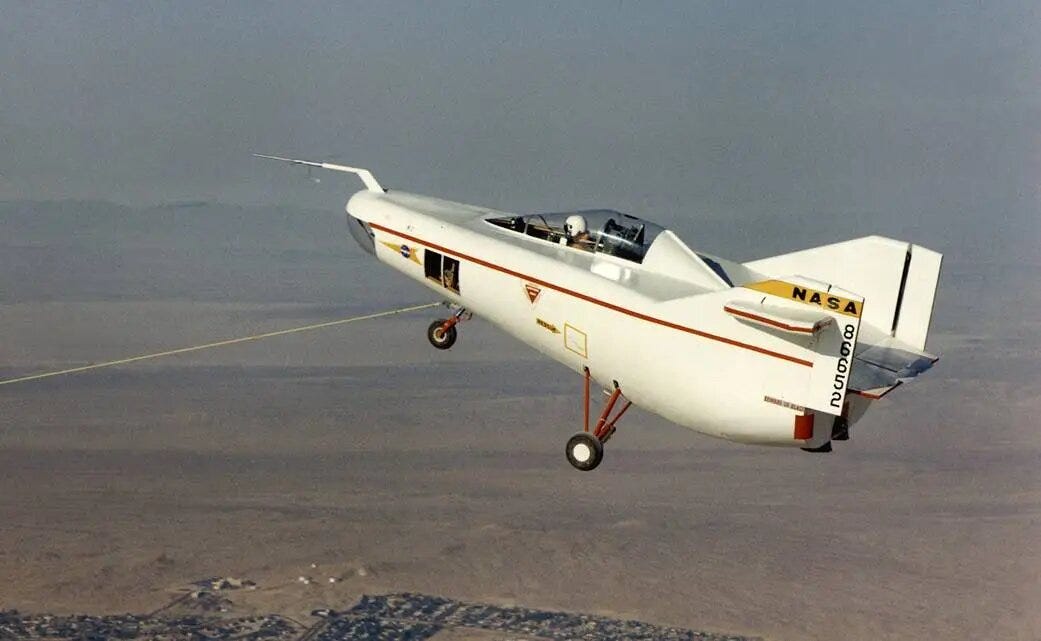
One of the boldest aviation experiments of the 20th century was the NASA M2-F1, a device that lacked conventional wings. Instead, lift was generated by the fuselage itself, designed as a lifting body.
At first glance, it seemed impossible for such an aircraft to fly. However, engineers’ calculations showed that with the right fuselage shape, airflow could generate sufficient lift even without large wings.
NASA experts decided to test this idea.
The first experimental model was built as simply and cheaply as possible. Due to its unusual shape, the M2-F1 quickly earned the nickname “Flying Bathtub.” To save costs, the structure was made of wood and lightweight metal, and initial tests were conducted without an engine—the aircraft was towed by a car on a dry lakebed, gradually increasing speed to test its aerodynamic behavior.
After successful tests, the M2-F1 was equipped with a small engine and began performing full-fledged flights. Despite the lack of traditional wings, the aircraft proved stable and controllable. The experiment confirmed that the lifting-body concept worked.
These studies were invaluable for future space exploration. The experience gained led to the development of more advanced aircraft like the M2, HL-10, and X-24, and the knowledge was later applied to the Space Shuttle program.
Although the M2-F1 itself remained an experimental aircraft, its contribution to aviation and space technology was immense. Sometimes, the strangest projects at first glance become the foundation for technologies that revolutionize entire industries.
Conclusion
The history of aviation is filled with bold experiments. Some unusual aircraft turned out to be dead ends, others provided designers with invaluable experience, and some became true legends.
It was through such experiments that engineers gained a deeper understanding of aerodynamics, tested new materials, and developed technologies still used in modern passenger and combat aircraft today. Therefore, even the strangest aircraft played an important role in the evolution of global aviation.